Owning a place on a Connecticut lake is one of the best decisions a lot of our customers ever make — morning coffee on the dock, kids tubing off the back, fall color reflecting off the water. But lakefront property in CT comes with a set of gotchas that a regular suburban listing never will: dock permits that don't convey, septic systems within feet of the shoreline, ice that shoves seawalls across the lawn in March. Before you fall in love with the view, here's what a knowledgeable local would tell you to check.
Buying a lake house in Connecticut is less about the house and more about the water. The lake you pick, the dock rights that come with the deed, and the shoreline rules that come with the town decide whether you actually get to use the lake the way you're picturing. Tour the water before you tour the kitchen.
Choose the lake first, not the listing
This is the single biggest mistake out-of-area buyers make in Connecticut: they shop listings online, fall for a kitchen, and only later realize the lake doesn't fit how they want to live. Our state's lakes have wildly different personalities, and you're really buying into the lake, not the lot. The major lakefront markets we know well:
- Candlewood Lake — the biggest lake in the state, deep, clear, and busy. Center of the summer action, great for watersports, but weekends are loud and crowded. If you want to be where the energy is, this is it. See our Candlewood Lake watersports guide.
- Lake Lillinonah — a narrower, river-feel impoundment on the Housatonic, quieter than Candlewood and prettier for a slow sunset cruise. A great fit if you want lakefront with less traffic. We run fishing charters on Lillinonah out of New Milford year-round.
- Lake Waramaug — in the Litchfield hills, scenic and pristine, with a state park and a long sailing tradition. A more conservation-minded lake with stricter rules and a higher price tier.
- Bantam Lake — smaller, shallower, friendly, and more affordable. A good entry point if you want lakefront without the Candlewood price tag.
Not sure how two of the most popular lakes actually compare on the water? We wrote a whole breakdown: Candlewood vs. Lillinonah. If you're still deciding, the best move is to get out on the lake before you make an offer — more on that at the bottom.
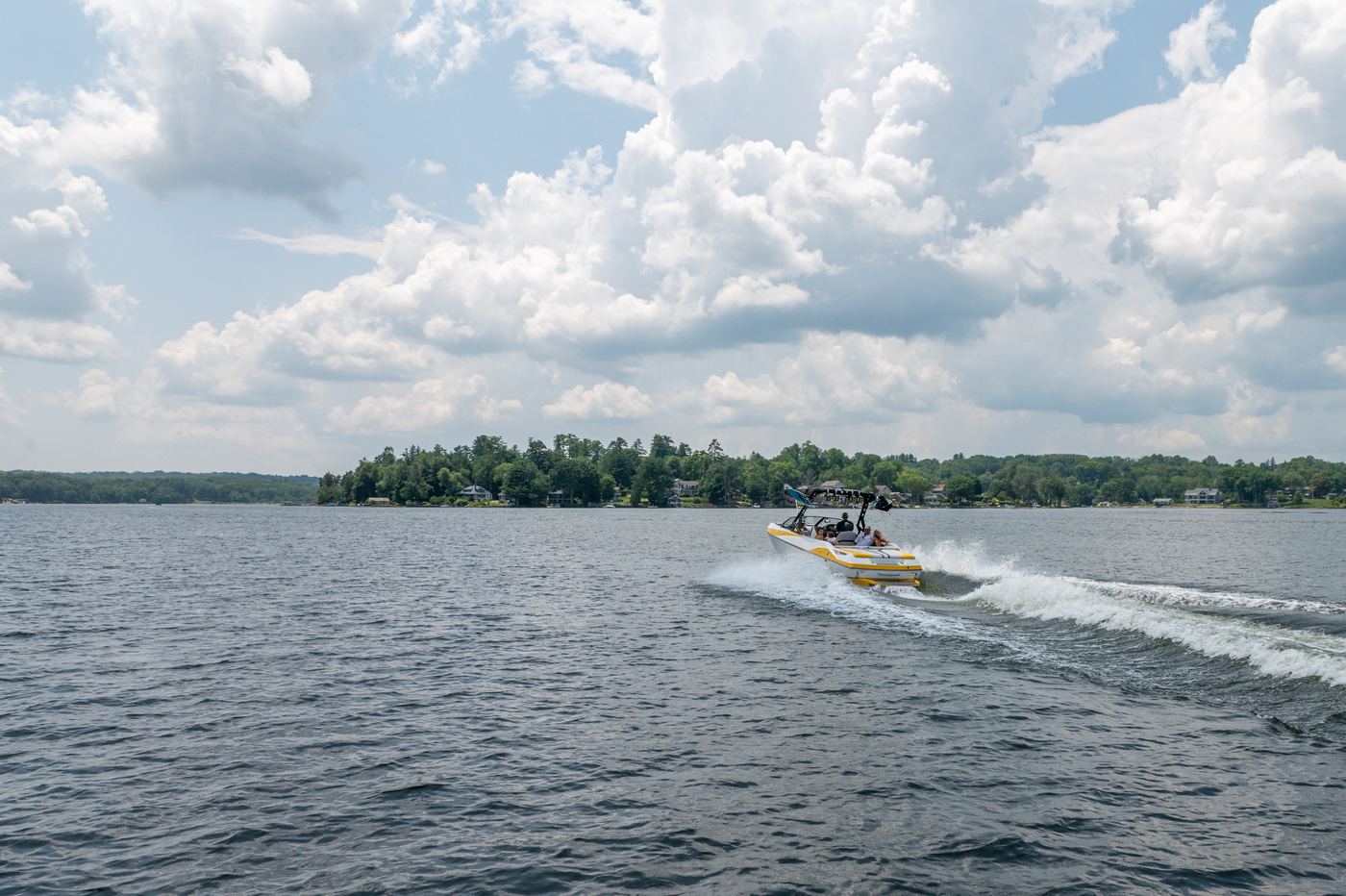
Every CT lake has a different personality. Tour the water before you tour the kitchen.
Setback, zoning, and shoreline restrictions
Connecticut lakes are governed by a layered set of rules: town zoning, inland wetlands commissions, and sometimes lake-specific associations or districts. Many lakes have strict shoreline setbacks that limit how close you can build, clear, or even trim trees to the water. On Candlewood, for example, FirstLight Power regulates activities within the drawdown zone, and towns like New Milford, Sherman, and Brookfield each have their own wetland and setback rules.
What that means for you as a buyer:
- A existing deck, boathouse, or patio near the water may be grandfathered — but if you want to expand, replace, or rebuild it, you may not get the same footprint back.
- Clearing vegetation down to the shoreline is often restricted to protect water quality. That "lawn to the water's edge" look you saw in the listing photos may not be replicable if you re-grade.
- Any work in the regulated inland wetland buffer — even a small dock repair or a new path — usually needs a wetlands permit before you start.
- Some lake associations have their own design or color rules on top of the town's.
Before closing, ask the listing agent for any permits on file for existing shoreline structures. If permits are missing, that's a negotiation point, not necessarily a dealbreaker — but you want to know now, not after the ink is dry.
Dock and mooring rights: does the dock come with the house?
This is the question that catches more buyers than any other. Not every lakefront lot comes with the right to put in a dock. And on some lakes, the dock you see in the listing photos isn't owned by the seller at all.
- Candlewood Lake: docks, moorings, and shoreline work are regulated by FirstLight Power under their shoreline management plan. A dock permit is tied to the property, but you'll want to confirm it's in good standing and transferable.
- Lake Lillinonah & other Housatonic impoundments: the utility (Eversource/FirstLight) controls the flowage easement. Even if you own to the water, the right to build or maintain a dock may require a separate permit.
- Lake Waramaug & Bantam: docks often need town and/or lake association approval, and some areas have a cap on the number of permitted docks.
- State-owned dock permits: on certain waters, the CT DEEP requires a permit for any permanent dock or mooring. Confirm current requirements with CT DEEP for the specific lake you're considering.
Ask the seller's attorney for a written "dock rights disclosure" before closing: who owns the dock, who permits it, and whether it transfers with the deed. If the answer is "shared dock" or "deeded access," get the exact legal description and walk it with a surveyor if the number is meaningful.
Flood zones and what it adds to your carrying cost
If you're buying lakefront, there's a real chance at least part of the lot sits in a FEMA-designated Special Flood Hazard Area (typically Zone AE or A). That has two costs you need to price in before you bid:
- Flood insurance. If there's a mortgage, the lender will almost certainly require a separate flood policy. Rates depend on the effective Flood Insurance Rate Map (FIRM) and the structure's elevation certificate. Get a quote before you remove contingencies — it can run into the thousands per year on a low-lying lake house.
- Build-back limits. If the house is substantially damaged (often defined as damage costing 50% or more of the structure's pre-damage value), flood-zone rules may require you to rebuild to current elevation standards, not just put it back the way it was.
Pull the FEMA Flood Map Service Center overlay for the specific address, and ask the seller for any elevation certificate on file. It's a 20-minute task that can change your math on the whole deal.
Ice, winterization, and the spring thaw
Connecticut lakes freeze hard most winters. That's beautiful — and hard on anything in the water. Ice push (expanding ice shoving against the shoreline) can move a dock frame, buckle a seawall, or heave a mooring post out of the lakebed in a single bad winter. On Candlewood, FirstLight's annual drawdown lowers the water level in fall to allow shoreline repairs and reduce ice damage; on other lakes the dynamic is different.
What to check before you buy:
- Is the dock a removable seasonal dock or a permanent fixed structure? Removable docks get pulled every fall and avoid most ice damage. Permanent ones take more abuse.
- What condition is the seawall or riprap in, and is there a recent inspection report? Replacing a seawall is one of the single largest carrying costs on a lake property.
- Does the house need full winterization, or is it a year-round home? Plumbing runs in exterior walls, lake-fed irrigation lines, and outdoor showers all need to be drained or heated.
- Is there year-round road access? Some cottages on private lanes get plowed late or not at all.

Fall on a CT lake is spectacular — but it's also your reminder that ice season is coming. See our fall foliage charters.
Water quality, septic, and well
Most lake homes in Connecticut are septic and private well, not municipal sewer and water. That's normal for lakefront, but it means two inspections are non-negotiable before you close: the septic system and the well.
On the septic side, the things to watch are especially important on a lake lot because the leach field is often close to the water. A failing septic system on lakefront isn't just a repair bill — it can trigger wetlands involvement, a mandated upgrade to current code, and in some cases a moratorium on the property until it's fixed. Get a full septic dye test and inspection, not just a "pumped and looks fine" letter.
On the water side, pull a potability and bacteria test from the well, and ask about any lake-specific water testing the association or town does. CT DEEP publishes water quality data and volunteer monitoring reports for many state lakes; check the current conditions for your target lake on the CT DEEP site. We also walk through what affects water quality in our lake water quality guide.
Year-round home or three-season cottage?
A lot of lakefront inventory in Connecticut started life as a seasonal summer camp. Some have been fully converted to year-round homes with insulated foundations, heat tape, and proper snow loads. Others are still effectively three-season: fine from May through October, expensive and risky to occupy in January. The difference shows up in:
- Foundation type (full basement vs. block piers vs. slab on grade)
- Plumbing layout (are supply lines in heated space, or running under a crawl space?)
- Heating system capacity and backup
- Insulation and window quality
- Road and driveway plowing
If you're buying as a weekend place and intend to use it in winter, ask the seller point-blank: "Has this house been lived in every January for the last five years?" If the answer is no, budget for winterization upgrades before you make an offer.
Lake-by-lake quick comparison
Here's a general comparison to help you frame the trade-offs. Price tiers are qualitative (entry / mid / upper) and we deliberately don't quote specific dollar figures — lakefront prices move with the market, so talk to a local agent for current numbers.
| Lake | Character | Price tier | Dock situation |
|---|---|---|---|
| Candlewood Lake | Large, deep, busy, watersports-central | Upper | Permitted by FirstLight; transferable, confirm status |
| Lake Lillinonah | Narrow, river-feel, quieter | Mid–Upper | Flowage easement; permit required |
| Lake Waramaug | Scenic, pristine, conservation-minded | Upper | Town/association approval; limited new docks |
| Bantam Lake | Smaller, friendly, more affordable | Entry–Mid | Town/association rules; check caps |
Questions to ask before you make an offer
Print this list and bring it to the showing. If the listing agent can't answer a question, that itself is information.
- Does the dock convey with the deed, and is the dock permit in good standing and transferable?
- Who controls the shoreline — the town, a utility, a lake association, or a combination?
- What FEMA flood zone is the structure in, and is an elevation certificate on file?
- Is there a septic inspection on record, and how old is the system?
- Is the well private, and is there a recent water potability test?
- Is the house winterized and has it been occupied in January?
- Is the dock seasonal (pulled in fall) or permanent, and who maintains the seawall?
- Is road access plowed year-round, and is the road town-maintained or private?
- Are there any open wetlands or zoning violations on the property?
- What does a typical summer weekend on this lake actually sound like?
Quick FAQ
Tour the lake before you make an offer
Our real-estate partners help you find the right lakefront — and we'll take you out on the lake first so you buy the water, not just the view. A morning or sunset charter on Candlewood or Lillinonah tells you more about a property than any listing photo ever will.
Book a Charter Find Lakefront Property