Connecticut doesn't get the credit it deserves as a fishing state. We're wedged between Maine's trout legacy and the Berkshires' river culture, so out-of-staters tend to overlook us — but the locals know. The state packs an absurd variety of freshwater fishing into a small footprint: trophy smallmouth and largemouth bass, stocked trout, northern pike that'll eat a lure half the size of your forearm, and a real walleye population in Candlewood. You can fish a different lake every weekend from April through November and barely scratch the surface. Here's the crew's guide to the best freshwater fishing in Connecticut, what you'll actually catch, and how to get on the water.
For most anglers visiting Connecticut, the short list is Candlewood Lake (bass, pike, walleye — the trophy lake), Lake Lillinonah (bass and panfish, quieter), Lake Waramaug (bass and trout), and Bantam Lake (bass, pike, panfish). All four have public access, all four have bass, and each one has a slightly different personality.
What's swimming in Connecticut's lakes
Before we get to where, it helps to know what you're after. Connecticut's freshwater fisheries break down into a handful of reliable species:
- Largemouth bass — in nearly every lake and pond with weed cover. The bread-and-butter species for most CT anglers.
- Smallmouth bass — deeper, clearer lakes with rocky structure. Candlewood and Lillinonah are the marquee waters; smallmouth fight harder pound-for-pound than largemouth.
- Trout — brown, rainbow, and brook trout stocked by CT DEEP in lakes, ponds, and the bigger rivers. Trout want cold, oxygenated water; in summer they go deep or hold in river runs.
- Northern pike — the closest thing Connecticut has to a freshwater predator worth traveling for. Candlewood and Bantam are the two names that come up.
- Walleye — stocked in Candlewood Lake and a few other waters. Low-light, structure-oriented fish that reward anglers who put in the time.
- Panfish — bluegill, pumpkinseed, yellow perch, crappie. In nearly every lake. The species that keeps kids hooked on fishing.
The top Connecticut fishing lakes by species
Here's where we send people when they ask. Every one of these has public access and a reason to be on the short list.
Candlewood Lake — the trophy lake
Candlewood is Connecticut's largest lake (about 5,400 acres) and its best-known fishery. It's the state's only consistent walleye water, holds both largemouth and smallmouth, and grows genuine trophy northern pike in its weed flats. The lake is deep, clear, and full of structure — rock piles, drop-offs, weed edges — which is why so many tournaments launch here. The trade-off is that it's busy in summer; experienced anglers fish it early, late, or on weekdays. Find Candlewood-based trips on our Candlewood Lake watersports page.
Lake Lillinonah — the quieter bass lake
Lillinonah is the Housatonic River impoundment just south of Candlewood, and it's our home water. It gets a fraction of the boat traffic of Candlewood, holds healthy largemouth and smallmouth populations, has excellent panfish action for kids, and runs through some of the prettiest shoreline in western Connecticut — see our fall foliage write-up if you want to combine a fishing trip with leaf season. If you're booking a fishing charter on Lake Lillinonah, this is where we launch.
First light on Lake Lillinonah — the best bass window is usually over by the time the recreational boats show up.
Lake Waramaug — bass and trout in the northwest corner
Up in Washington, Connecticut, Waramaug is a gorgeous natural lake with both a solid bass fishery and a stocked trout population. It's smaller than Candlewood but deep, cold in spring, and one of the few Connecticut lakes where you can genuinely target both warm-water and cold-water species in the same morning. Lake Waramaug State Park has a public launch and day-use facilities.
Bantam Lake — pike, bass, and easy panfish
Bantam, in Litchfield and Morris, is Connecticut's largest natural lake and a known northern pike fishery. The shallow weed flats grow pike, the docks hold largemouth, and the panfish action is reliable enough that it's a great first-lake for kids. Bantam is shallower than Candlewood, so the spring bite here turns on a little earlier.
Best fishing by season
Connecticut's fishing calendar moves with water temperature. Here's how the year breaks down:
- Spring (April–May): Pre-spawn and spawn. Bass move shallow onto spawning beds. Pike are active in the warming shallows. Trout stocking is in full swing. This is the easiest time to find fish in predictable water.
- Summer (June–August): Bass and pike go deep or bury in weed cover during the day. The best windows are dawn and dusk. Trout head for the thermocline or hold in cold-water rivers. Panfish stay shallow and keep biting.
- Fall (September–November): The fall feed. Bass and pike put on weight before winter and become aggressive. Walleye fishing on Candlewood picks up. This is the best season to be on the water if you can stand a little cold.
- Winter (December–March): Ice fishing is legal on many Connecticut waters where ice is safe — Bantam, Waramaug, and smaller ponds are the usual targets. Never assume ice is safe; check thickness yourself and follow CT DEEP's ice-safety guidance.
The two hours around sunrise are the single most productive window on Connecticut lakes, full stop. Recreational boat traffic doesn't show up until late morning in summer, and bass and pike feed hardest in low light. If you can drag yourself out of bed, you'll have the lake to yourself and the fish.
Getting on the water: boat vs. shore, and where to launch
You can catch fish from shore in Connecticut — state parks, river access points, and town beaches all produce — but the better fishing on the big lakes is from a boat. Connecticut maintains a network of public boat launches through CT DEEP, and there are also marina launches and town launches that charge a day fee.
The state launches are usually free or carry a small launch fee for non-residents; marina launches are more convenient and may include parking, dock access, and supplies. Confirm current launch fees with CT DEEP before you go. Anyone operating a motorized vessel needs a CT Safe Boating Certificate — that includes a boat with an electric trolling motor.
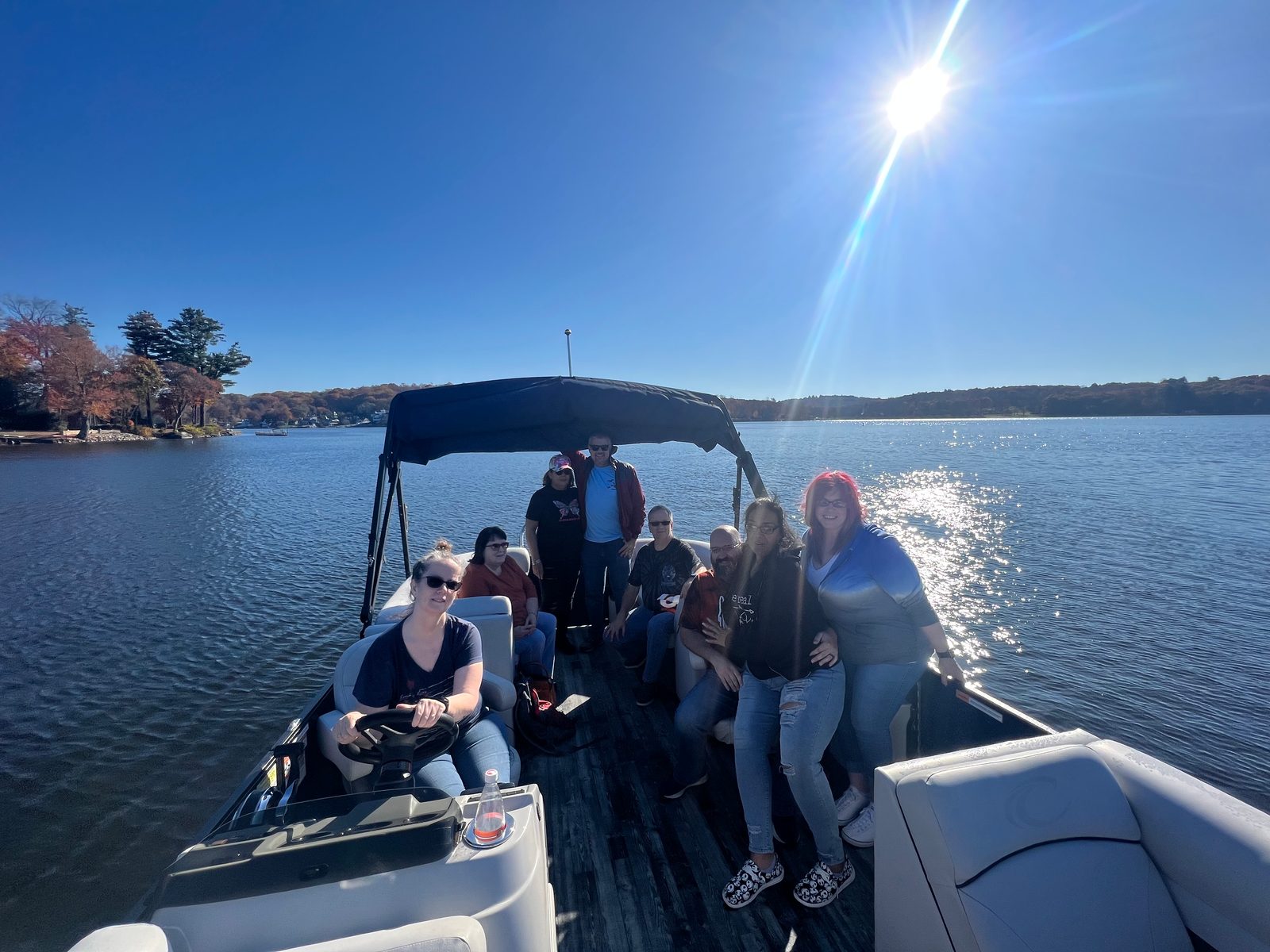
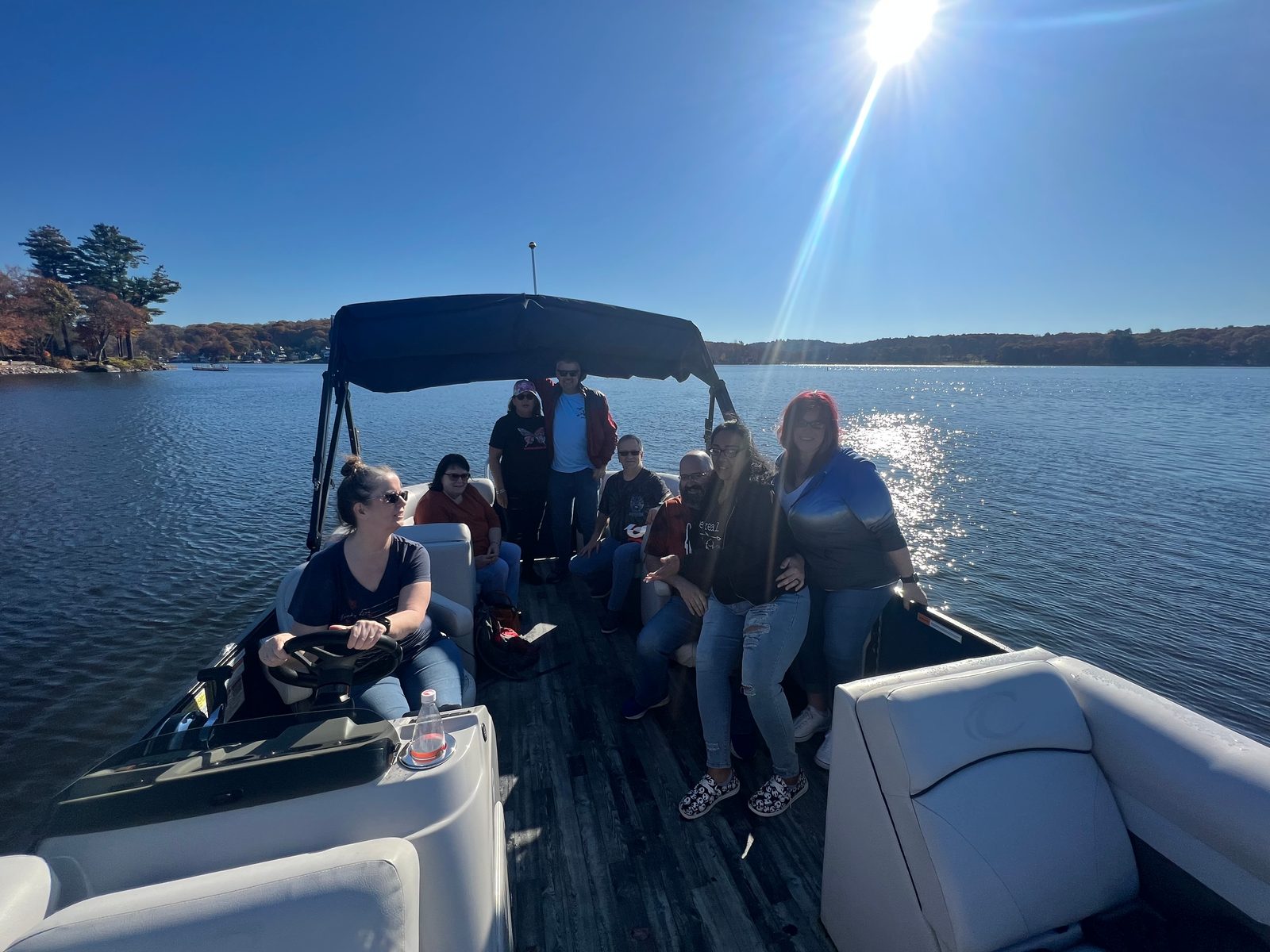
If you'd rather skip the launch-ramp logistics entirely, a captained charter puts you on the water with a licensed captain handling the boat. Our pontoon charters and fishing charters on Lillinonah work that way — you're a passenger, no certificate required.
A quick look at the top lakes
Here's the cheat sheet we hand people when they ask "which lake should I fish?"
| Lake | Primary species | Best season | Access |
|---|---|---|---|
| Candlewood Lake | Largemouth & smallmouth bass, northern pike, walleye | Year-round; fall feed is exceptional | State launches + marinas |
| Lake Lillinonah | Largemouth & smallmouth bass, panfish | Spring & fall; summer dawn/dusk | State launch + marina |
| Lake Waramaug | Bass, stocked trout | Spring & early summer | Lake Waramaug State Park launch |
| Bantam Lake | Northern pike, largemouth bass, panfish | Spring (pike) & fall; ice season | State launch + town access |
Bait and approach: a quick overview
This isn't a gear guide, but a few basics help. For bass, live bait (shiners, nightcrawlers) is legal and productive on many CT waters; soft plastics, spinnerbaits, and crankbaits cover most structure situations. For pike, live bait and large spoons or swimbaits in the weed flats. For walleye on Candlewood, jigs and live bait fished at structure edges in low light. For trout, spinners, small spoons, and natural baits in lakes where bait is allowed — check the CT DEEP fishing guide for water-specific bait restrictions. For panfish, a simple bobber-and-worm rig is all a kid needs.
One rule that catches visiting anglers off guard: live bait restrictions vary by water. Some Connecticut waters are artificial-lures-only or have specific bait bans to protect the trout fishery. Always check the current CT DEEP Angler's Guide for the water you're fishing before you rig up.
A healthy Lillinonah bass, released. Catch-and-release is standard practice on the lakes we fish.
Licenses, limits, and the rules you actually need to know
Anyone 16 or older fishing in Connecticut's inland waters needs a CT fishing license — resident or non-resident. Licenses are available online through the CT DEEP Online Sportsmen Licensing system and at most town clerks and bait-and-tackle shops. For full details on license types, fees, and free fishing days, see our CT fishing license guide. (Don't state a specific fee here — confirm current license fees with CT DEEP, as they change.)
- Slot and creel limits vary by species and water. Bass, pike, walleye, and trout all have separate regulations, and certain lakes have special rules on top of the statewide ones.
- Free Fishing Days — Connecticut offers free fishing days each year when anyone can fish without a license. Dates change annually; check the CT DEEP calendar for the current year's dates before you plan a trip.
- Catch-and-release is voluntary on most waters but standard practice among serious bass anglers. If you're not eating it, put it back quickly and handle it gently.
Spend two minutes with the current CT DEEP Angler's Guide before any trip. The guide lists water-specific bait rules, slot limits, and seasonal closures, and it's the single source of truth when regulations change mid-season.
Quick FAQ
Want the fish without the scouting?
Our captained fishing charters put you on Lillinonah's best spots — boat, gear, and a licensed captain included. You show up, we handle the rest, and you fish water it would take years to learn on your own.
Book a Charter See Lillinonah Fishing Charters